ADHD and Sleep
March 21, 2010
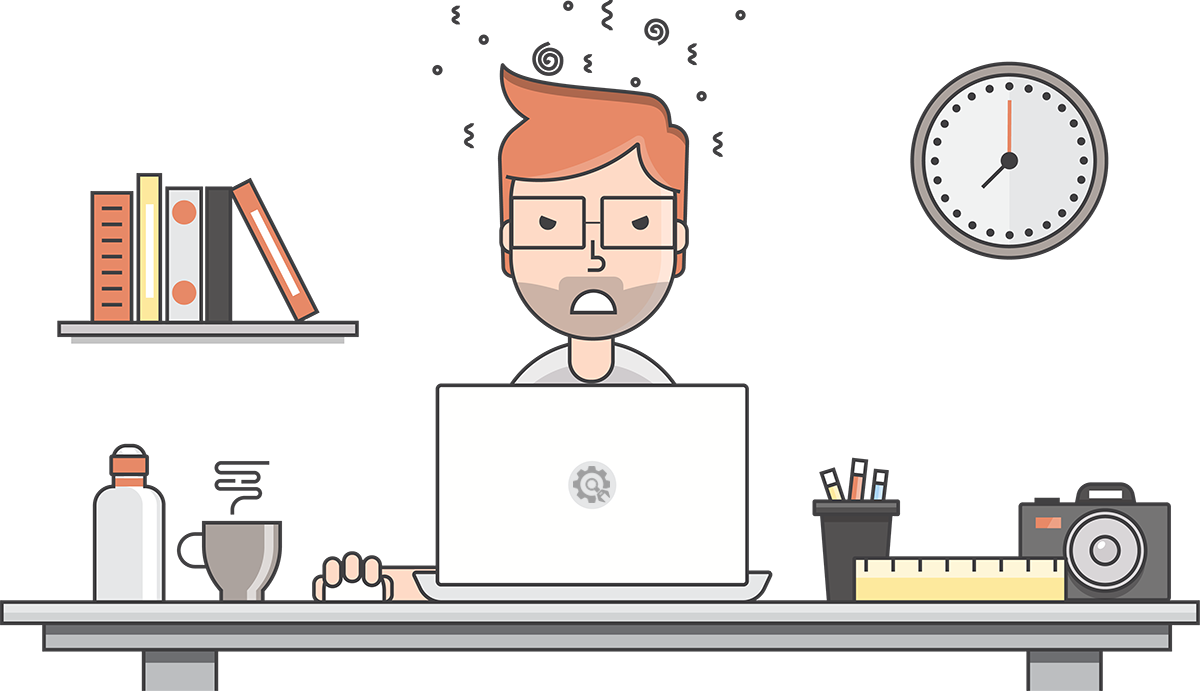
Children and adults with AD/HD may frequently experience problems with sleep. You may know this all too well in your family. Many people have difficultly falling asleep while others nod off easily, but then wake frequently during the night. Unfortunately the resulting lack of sleep exacerbates the primary AD/HD problems with attention, concentration, and impulsiveness.
Phase delayed sleep is the most common sleep disorder that accompanies AD/HD. Phase delayed sleep disorder is a fancy way to say the person goes to bed too late and then has trouble getting up in the morning. The hypothalamus in our brains helps to regulate sleep/wake cycles and is basically malfunctioning in an individual with phase delayed sleep.
Is your family short on rest? Try good sleep hygiene including consistent sleep/wake times and creating comfort around your bedtime routine. Reduce energizing activities a few hours before going to bed. Leave the shades open so sunlight shines through early in the morning; light tells the brain it is time to get up!
When behavioral strategies fail, consider over the counter remedies such as melatonin or valerian root. These are natural supplements that help induce sleep and have some clinical research studies to support their benefits and safe use.
You may also want to talk to your doctor about medication. There are newer non-addicting sleep medications such as lunesta and rozerem that have been FDA approved for chronic use in adults and other medication options for children with sleep issues. In our practice I do prescribe sleep medications temporarily to assist patients in getting on a good sleep schedule. Once sleep is well regulated, we recommend weaning off the medication and using behavioral strategies to continue getting your zzzz’s.
Have a restful night!
Theresa Cerulli, M.D.
ADHD Client Self-Awareness and Confidence
February 9, 2009
I was struck by the pain a very successful entrepreneur shared with me. He grew up hearing that he was lazy and stupid because he couldn’t manage his time and stay ahead of his school work. Even after he was diagnosed with ADHD late in high school, his family couldn’t understand what he was struggling with and accused him of being undependable and dumb.
This bright, creative, kind man still carried many of the weaknesses that you might expect from someone with ADHD, but he does well with the occasional support of medication. He has made an impressive life for himself with huge successes in his personal and business life. He is the CEO of the midsized company he founded and has two great kids.
What hurts me is that he doesn’t know how good he is. He still feels like that kid his parents mistakenly thought he was. He has carried that false image forward through college graduation, a successful start-up business and the current, profitable company he has grown into a recognizable brand.
He came to me because inside he feels like a fraud. He wonders how others can keep from seeing the truth about him. This is one of the tragedies of ADHD, a person is functioning well, but hasn’t taken time out to correct and update their personal-awareness file. They are in an enviable position in their lives, but can’t enjoy the success.
My entrepreneurial client was stunned to hear from me that many around him were almost assuredly also feeling anxious about their competence, that early information so impresses itself on our brains that it’s difficult to shake up our primal self-image.
Understanding what was happening and having a chance to talk it out gave my client a great boost of self-confidence. He is surprised and pleased that there was this next level of confidence that he didn’t even know was available to him.
I asked him what kind of difference he thought this increased confidence would make in his life. He grinned and said that with everything he had going for him, he figured he could change the world if he wanted. He just might!